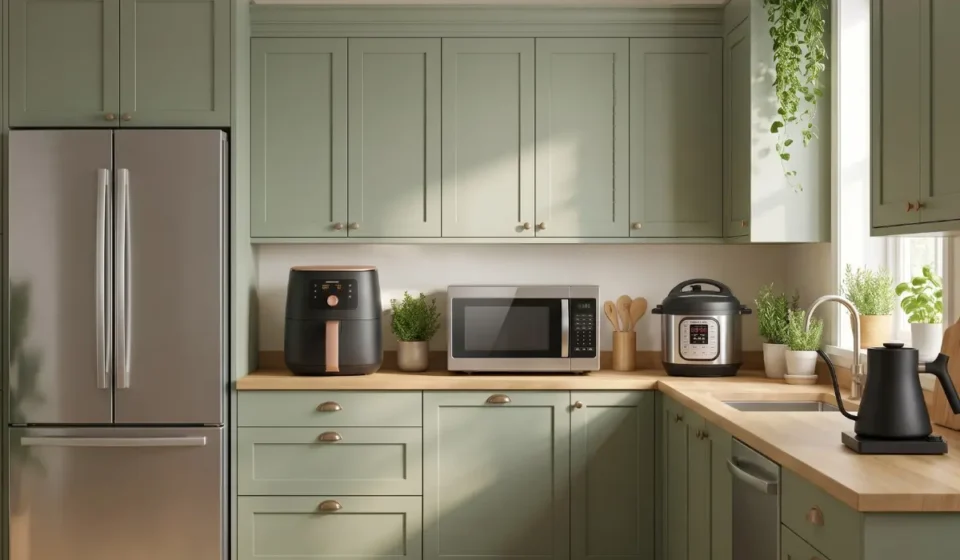
Top 5 Energy-Efficient Kitchen Appliances to Lower Utility Bills

As one of the busiest areas of the home, the kitchen uses many appliances that consume electricity every day. Refrigerators run around the clock, and appliances such as ovens, kettles, microwaves, and cookers can increase household energy use. That said, if you choose energy-efficient kitchen appliances, you can enjoy faster and more convenient cooking while reducing unnecessary electricity use. Luckily, many modern kitchen appliances use less energy while performing everyday tasks. From air fryers to pressure cookers, the right appliances can lower your utility bills. In this guide, we will explore five of the most energy-efficient kitchen appliances and some ways to reduce energy consumption in your kitchen.
What Makes a Kitchen Appliance Energy-Efficient?
An energy-efficient appliance consumes less electricity than a conventional one. However, efficiency does not depend only on wattage. For instance, if an appliance with a higher power rating completes a task much faster, it sometimes consumes less total electricity. So, when you are comparing the best kitchen appliances, you should consider both their rated wattage and how long you usually need to operate them. Several factors influence kitchen appliance efficiency, including:
- Efficient heating technology: Appliances that transfer heat directly to food or water can minimize wasted energy.
- Shorter cooking times: Faster cooking means the appliance operates for fewer minutes.
- Proper insulation: Good insulation helps retain heat and reduces the amount of energy needed to maintain temperature.
- Automatic controls: Timers, thermostats, auto shut-off features, and smart modes help prevent unnecessary operation.
- Energy-saving compressors: Modern refrigerators with inverter or variable-speed compressors can adjust cooling according to demand.
- Suitable appliance size: Heating an oversized appliance for a small amount of food can waste electricity.
Top 5 Smart Kitchen Appliances for Energy Saving
Smart kitchen appliances have smart features, including automatic shut-off, scheduling, temperature controls, eco modes, and energy monitoring, that can help reduce unnecessary operation. However, an appliance having Wi-Fi or app connectivity does not necessarily mean it is energy-efficient. Therefore, choosing appliances that cook efficiently, heat quickly, or automatically regulate their power consumption can help lower everyday kitchen energy use. Here are five useful smart kitchen appliances for energy saving that deserve your attention:
1. Energy-Efficient Air Fryer
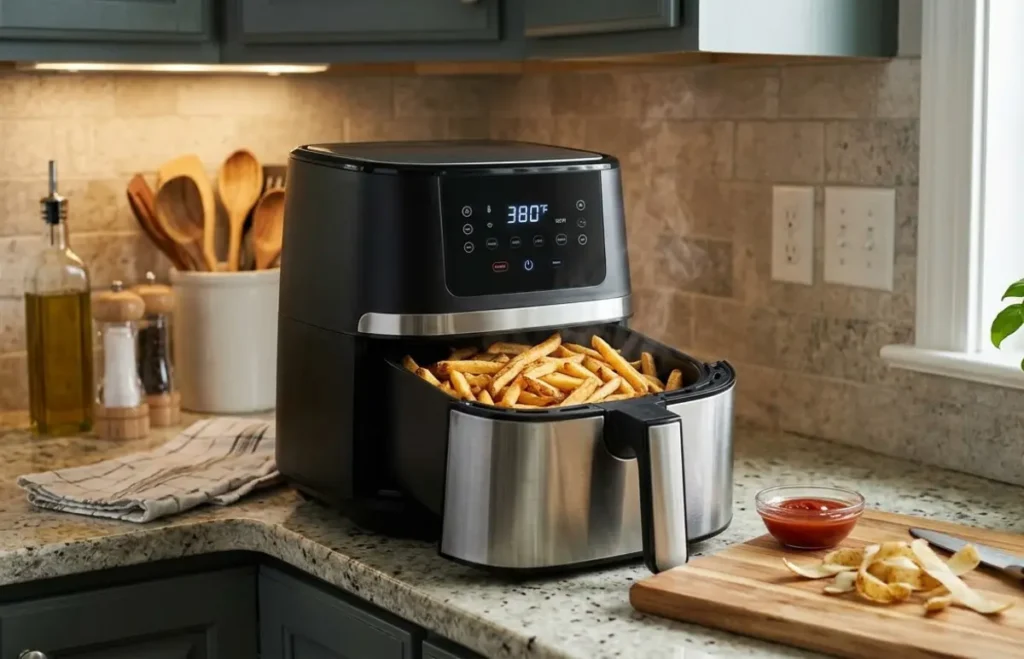
An air fryer has become one of the most popular modern kitchen appliances. It helps with quick everyday cooking by circulating hot air rapidly around food inside a small cooking chamber. As compared to heating a large conventional oven for a small meal, an air fryer can complete the same type of cooking task more quickly and with less preheating. Air fryers are useful for fries, vegetables, chicken, reheating leftovers, and other small-to-medium meals. Their actual energy savings depend on the model, portion size, cooking temperature, and the appliance being replaced. An air fryer can save energy because of the following reasons:
- Small cooking chamber heats quickly
- Little or no lengthy preheating is required
- Rapid hot-air circulation speeds up cooking
- Automatic timers prevent unnecessary operation
- Suitable for preparing smaller portions
2. Microwave Oven
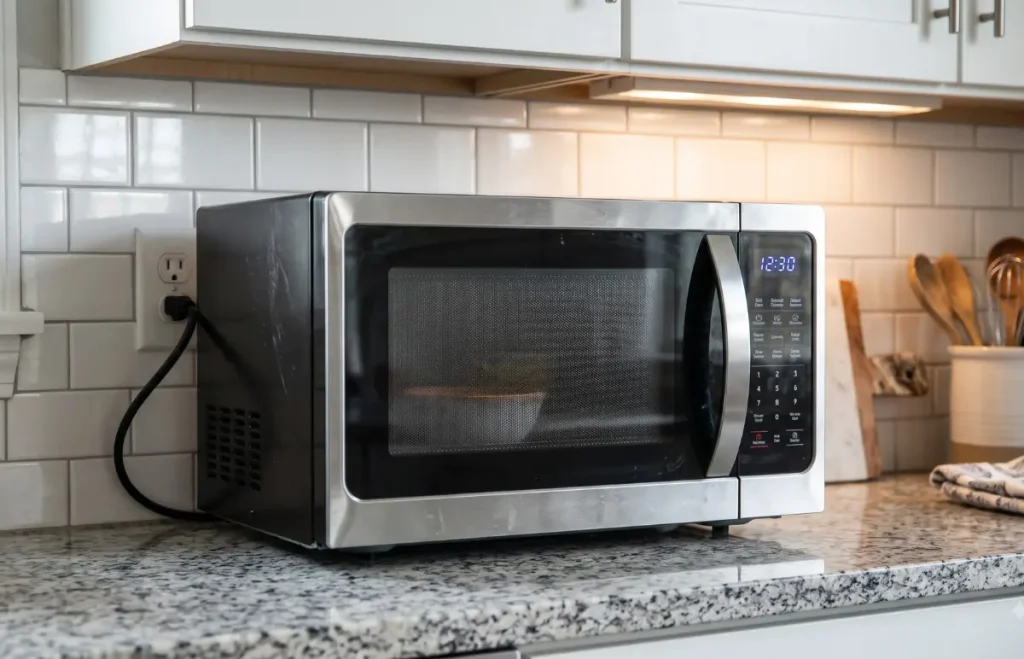
A microwave is one of the most energy-efficient kitchen appliances for everyday tasks, especially for reheating small portions and cooking foods that do not require browning or crisping. Instead of spending too much time heating an entire oven cavity, microwave energy heats food more directly. That said, short cooking times and using a microwave instead of a full-size electric oven for suitable foods can reduce total electricity consumption. The energy-saving advantages of a microwave oven include:
- Very little preheating
- Fast cooking and reheating
- Automatic timers
- Suitable for small portions
- Useful for defrosting and reheating leftovers
3. Electric Pressure Cooker
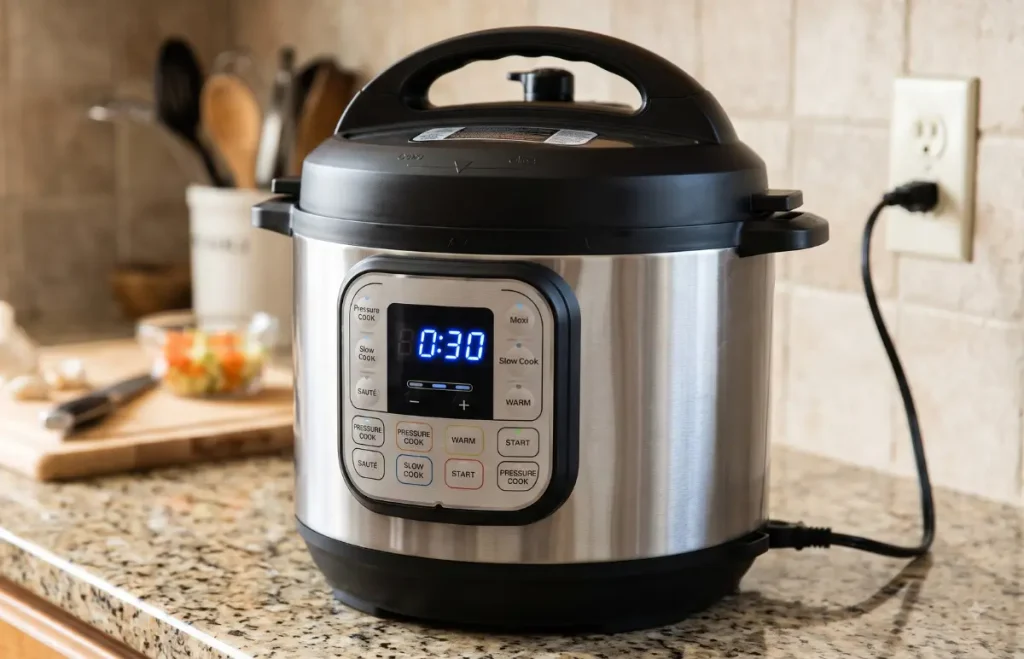
An electric pressure cooker cooks food in a sealed pot under pressure. Higher pressure raises the boiling temperature of water, helping many foods cook faster than they would in a conventional pot. The sealed cooking environment also retains heat and steam, reducing heat loss during cooking. Electric pressure cookers are especially useful for beans, lentils, rice, soups, stews, meat, and other foods that normally require longer cooking times. Some of the reasons why electric pressure cookers are efficient are:
- Shorter cooking times for many dishes
- Minimal heat loss
- Automatic temperature and pressure regulation
- Insulated cooking chamber
- Multiple cooking functions in one appliance
4. Energy-Efficient Refrigerator
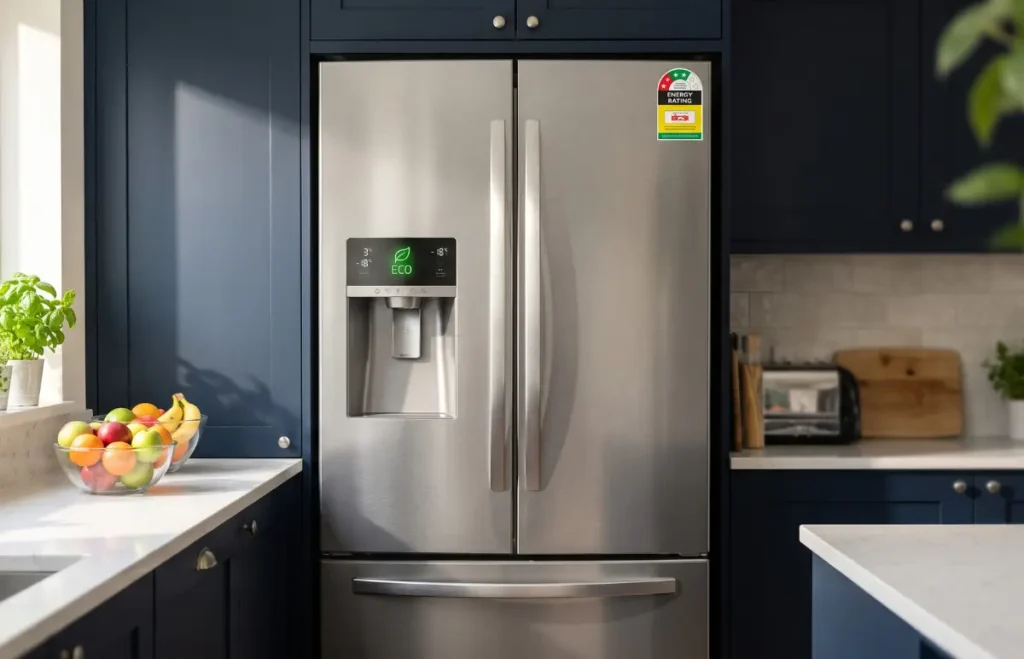
Unlike most cooking appliances, a refrigerator operates 24 hours a day. Therefore, even small improvements in efficiency can make a noticeable difference over its lifetime. Modern refrigerators may use improved insulation, efficient compressors, precise temperature controls, and better door seals to minimise electricity consumption. However, you should avoid buying the largest refrigerator available, as a properly sized, efficient model is a better choice if you wish to control long-term energy consumption. When purchasing a refrigerator, you should look for these features:
- A strong energy-efficiency rating
- Inverter or variable-speed compressor technology
- Appropriate capacity for your household
- Good-quality door seals
- Efficient interior lighting
- Eco or energy-saving modes where available
5. Electric Kettle
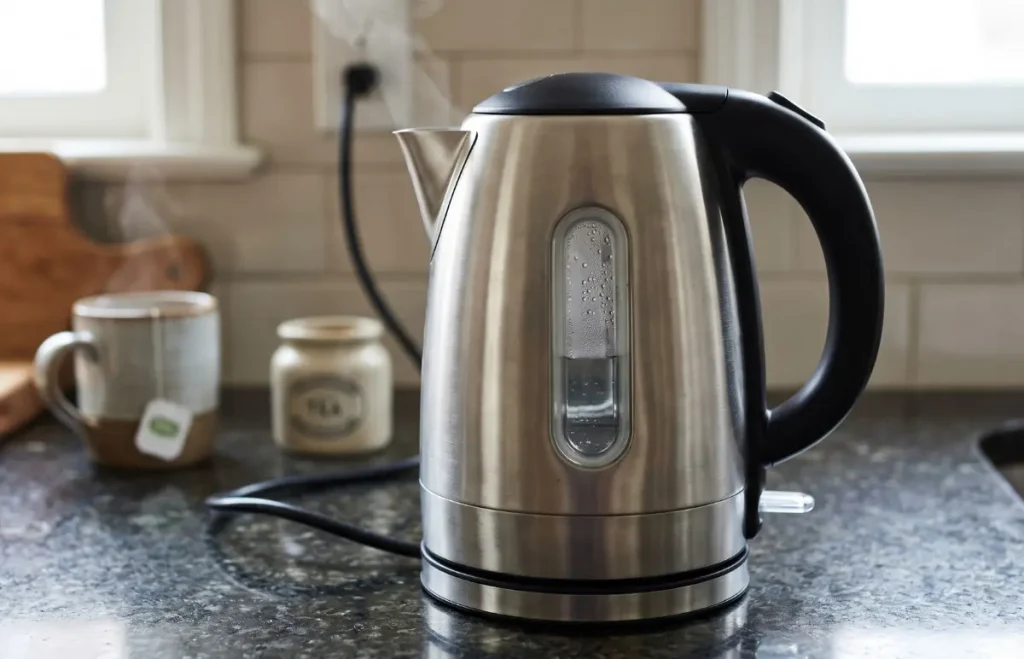
An electric kettle is a simple but highly useful appliance for heating water. Because the heating element transfers heat directly to the water, a kettle can boil water quickly with relatively little wasted heat. It can be useful for making tea, coffee, instant foods, or boiling water before adding it to a pan. To improve efficiency, you should boil only as much water as you need. When you repeatedly fill the kettle to maximum capacity, especially when you only need one or two cups, it wastes both electricity and time.
How Much Electricity Do Common Kitchen Appliances Use?
Electricity consumption varies from appliance to appliance depending on appliance size, wattage, efficiency, temperature settings, and operating time. A simple way to estimate electricity consumption is to multiply the appliance’s power by its operating time. Here is a general comparison of common kitchen appliances:
| Kitchen Appliance | Typical Power Range | Common Usage Pattern | Energy-Saving Potential |
| Air Fryer | 1,200–2,000 W | 10–40 minutes | High for small meals compared with a full-size oven |
| Microwave Oven | 600–1,500 W | 2–15 minutes | High for reheating and short cooking tasks |
| Electric Pressure Cooker | 700–1,200 W | 20–60 minutes | Good for foods requiring long conventional cooking |
| Refrigerator | 100–800 W* | Cycles throughout the day | High long-term potential with an efficient model |
| Electric Kettle | 1,200–3,000 W | 2–5 minutes | Efficient for quickly heating water |
| Electric Oven | 2,000–5,000 W | 30–90+ minutes | Higher consumption for small meals |
| Toaster | 800–1,500 W | 2–5 minutes | Relatively low due to short operating time |
Tips to Reduce Electricity Consumption in the Kitchen
Buying efficient appliances is only one part of reducing kitchen electricity costs. It also depends upon how you use them, which can make an equally important difference. So, here are some tips to reduce electricity consumption in the kitchen:
- Match the appliance to the task: Use a microwave, air fryer, toaster oven, or pressure cooker instead of a large oven when appropriate.
- Cook multiple portions together: Batch cooking can reduce the number of times you need to heat an appliance.
- Avoid unnecessary preheating: Only preheat when the recipe or appliance requires it.
- Keep refrigerator doors closed: Frequently opening the door allows cold air to escape, forcing the appliance to work harder.
- Check refrigerator seals: Damaged or loose seals can allow cold air to leak.
- Use appropriate refrigerator temperatures: Setting the temperature unnecessarily low can increase electricity consumption.
- Boil only the water you need: Avoid filling an electric kettle completely for a single cup.
- Use lids while cooking: Covering pots helps retain heat and can reduce cooking time.
- Switch appliances off when appropriate: Avoid leaving appliances running unnecessarily or keeping optional warming functions active for long periods.
- Maintain appliances regularly: Clean filters, vents, heating surfaces, and refrigerator coils according to manufacturer instructions. Well-maintained appliances generally operate more effectively.
Are Energy-Efficient Kitchen Appliances Worth the Investment?
Energy-efficient appliances can be worth the investment for many households, especially when you are replacing old, inefficient, or frequently used appliances. However, it is not always necessary to purchase a new appliance solely to save electricity. The total value depends on several factors, including the purchase price, frequency of use, local electricity rates, appliance lifespan, and efficiency difference between the old and new models.
Refrigerators deserve particular attention because they operate continuously. When an old refrigerator needs replacement, choosing a highly efficient model can provide savings throughout many years of use. Small appliances can also help when they replace less efficient cooking methods. For example, using an air fryer for a small meal or a microwave for reheating may consume less electricity than heating a large electric oven.
When shopping for energy efficient kitchen appliances, you should compare energy labels and annual energy-consumption figures rather than focusing only on the initial price. That said, the best kitchen appliances should balance purchase cost, performance, capacity, durability, and long-term operating expenses.
Final Words
You do not need to make major changes to your cooking routine in order to reduce kitchen energy consumption. Simply choosing the right energy efficient kitchen appliances and using them wisely can reduce wasted electricity and also lower monthly utility bills. Some of the most energy-efficient kitchen appliances include air fryers, microwaves, electric pressure cookers, efficient refrigerators, and electric kettles. Beyond using these appliances, combine them with simple habits such as cooking appropriate portions, limiting refrigerator door openings, boiling only the water you need, and avoiding unnecessary preheating. Needless to say, these appliances can help make your modern kitchen more efficient and economical.
Frequently Asked Questions (FAQs)
Some of the most energy-efficient kitchen appliances for everyday use include microwaves, electric pressure cookers, electric kettles, efficient air fryers, and modern energy-efficient refrigerators. However, the actual efficiency depends on the appliance model and how it is used.
When you are preparing small or medium food portions, an air fryer often uses less electricity than a full-size electric oven. This is because its smaller cooking chamber heats quickly and cooks food faster. However, you may not enjoy the same benefit in case of large quantities of food.
Electric ovens and ranges can consume a lot of power while operating, whereas refrigerators consume electricity throughout the day and year. Therefore, both power rating and operating time are key factors to understand which appliance uses the most electricity.
You should check the appliance’s official energy label or efficiency rating, annual electricity-consumption estimate, capacity, technology, and power-management features. Moreover, you should compare appliances of similar sizes and functions instead of relying only on their wattage.
Smart kitchen appliances have smart features, including automatic shut-off, scheduling, temperature controls, eco modes, and energy monitoring, that can help reduce unnecessary operation. However, an appliance having Wi-Fi or app connectivity does not necessarily mean it is energy-efficient.